

FOREU4ALL: the Community of Practice of the European University Alliances
FOREU4ALL brings together all 73 European University Alliances in a shared Community of Practice. EPICUR co-leads its Community of Practice work package alongside EC2U.
About FOREU4ALL
FOREU4ALL brings together all 73 European University Alliances to share best practices and strengthen cooperation across the higher education sector. It also engages key stakeholders and policymakers to give European alliances a strong voice in policy dialogue.
Building on the Forum of European Universities (FOR-EU), active since the start of the European Universities Initiative, FOREU4ALL now extends this collaborative network to the wider higher education community across Europe and beyond.
Datas
Initiative: European University Alliances
Members: 73 alliances
Supported by: the European Commission (co-funded by the EU)
EPICUR’s role: co-lead of WP2 – Community of Practice (with EC2U)
How FOREU4ALL is organised
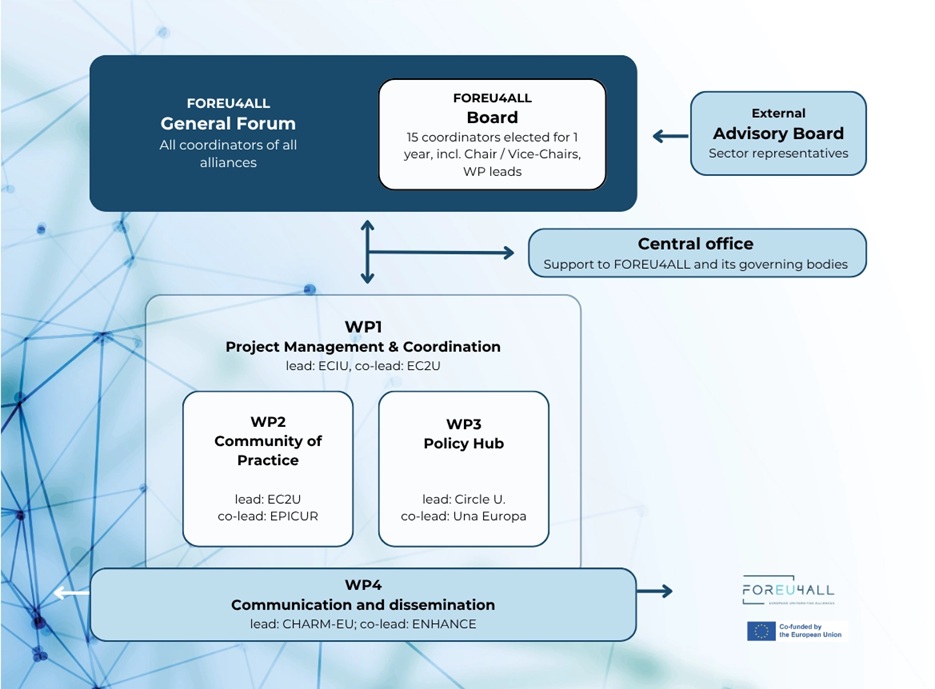
FOREU4ALL is structured around a General Forum, a Board and four work packages, supported by an External Advisory Board and a Central Office.
- General Forum: brings together all coordinators of all alliances.
- Board: 15 coordinators elected for one year, including the Chair, Vice-Chairs and work package leads.
- External Advisory Board: sector representatives who advise the governing bodies.
- Central Office: provides support to FOREU4ALL and its governing bodies.
Credit: FOREU4ALL Website
Hosting the third FOREU4ALL workshop
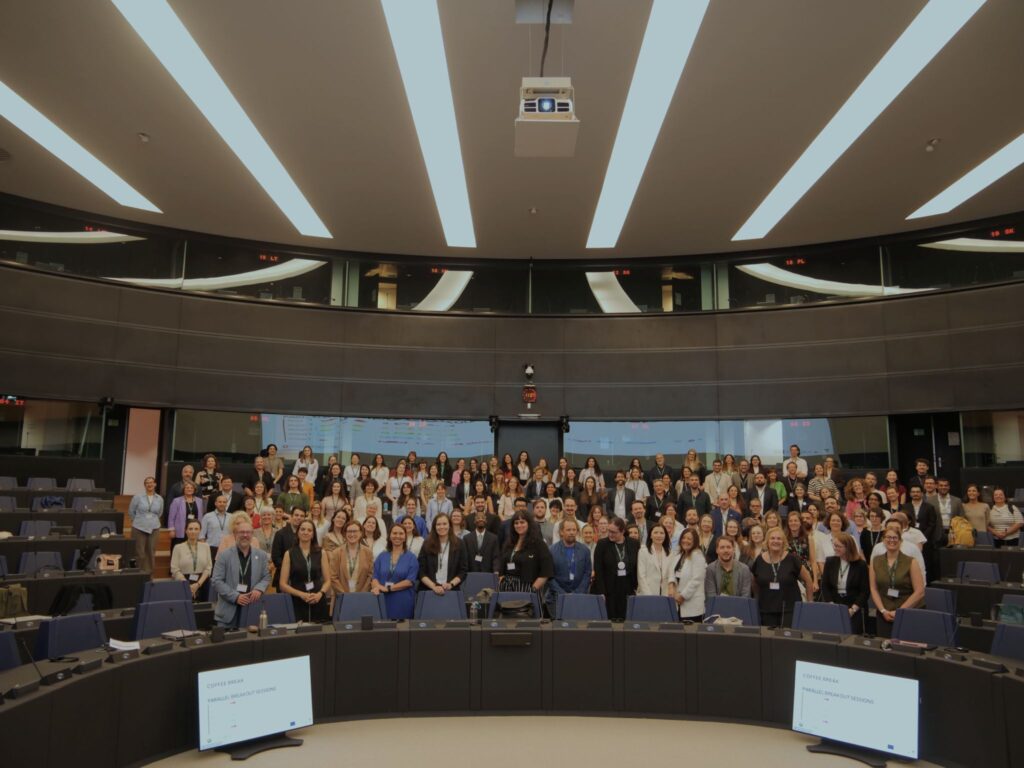
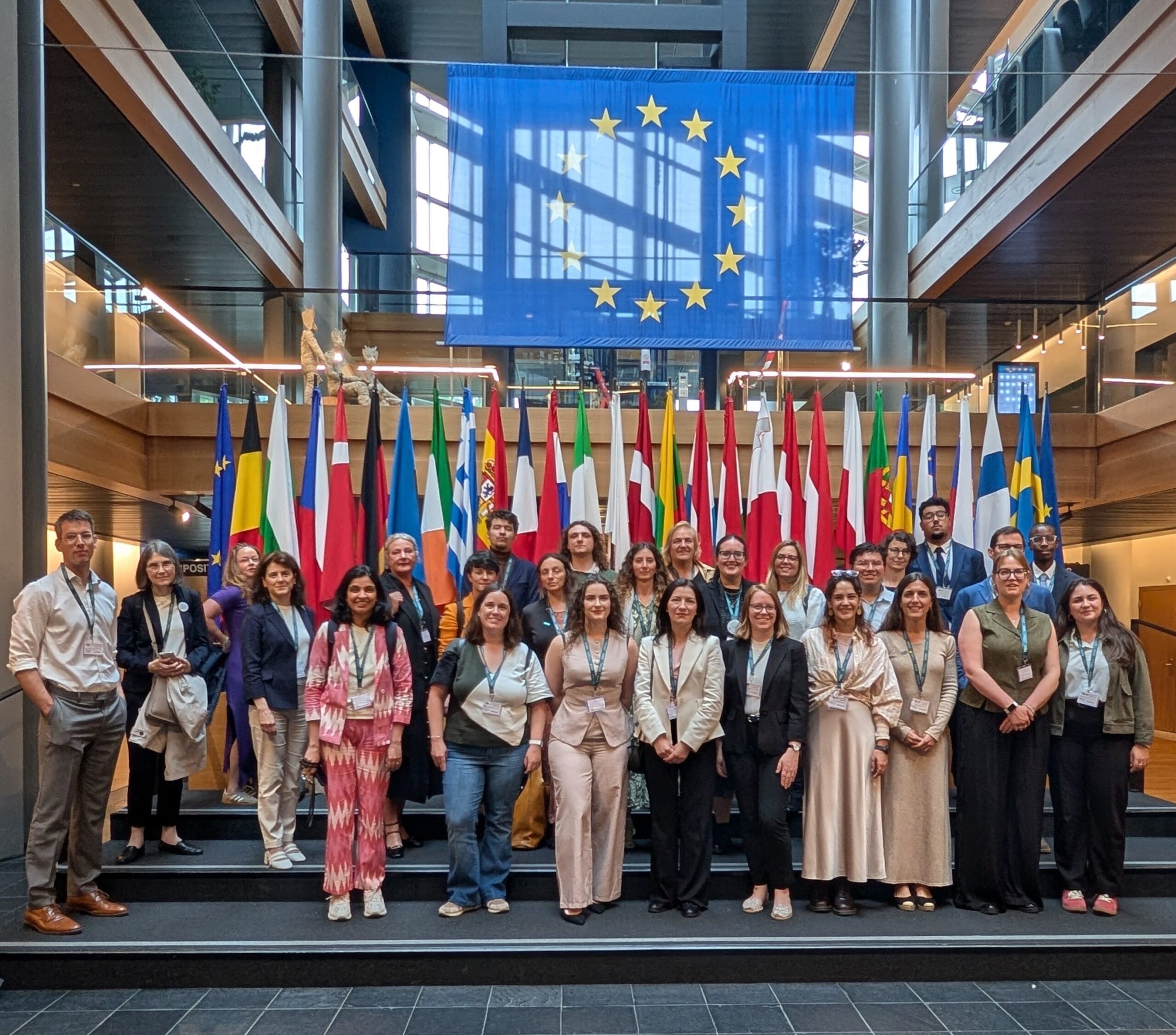
As co-lead of the Community of Practice work package, EPICUR hosted the third FOREU4ALL transversal workshop on 2-3 June 2026 at the European Parliament in Strasbourg.
Under the theme “From Campuses to Communities“, the event explored how European Universities alliances can strengthen engagement and foster a stronger sense of belonging across campuses and communities.
Credits photo: EPICUR
From Campuses to Communities: the event in numbers
140 participants on site
50 participants online
60+ alliances represented
100+ universities involved
2 days of plenary discussions, workshops, a student-led roundtable and networking