

An Alliance of 9 European Universities
Launched in 2019, EPICUR, the European University Alliance, belongs to the first generation of European Alliances to pilot a new way of intensifying collaboration among Higher Education institutions through the creation of a European University.
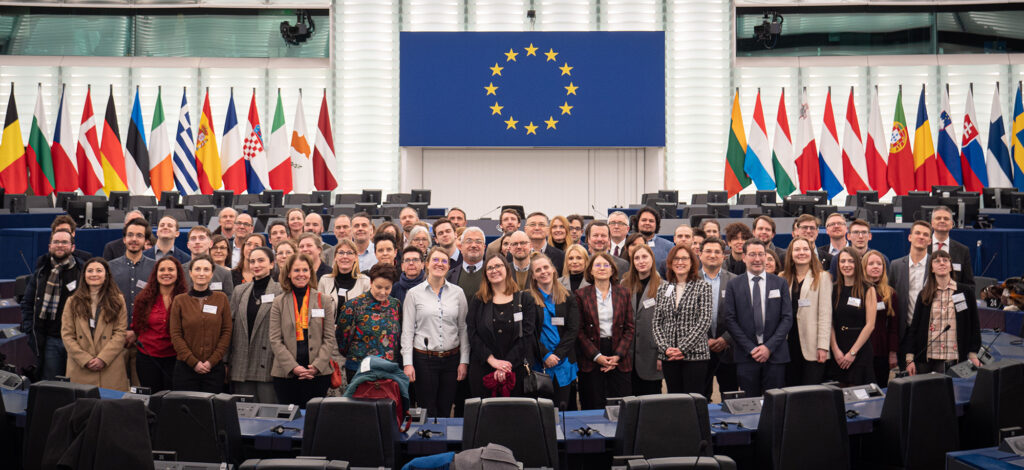
Intensifying collaborations among Higher Education & Research Institutions
An alliance designed to overcome key structural challenges
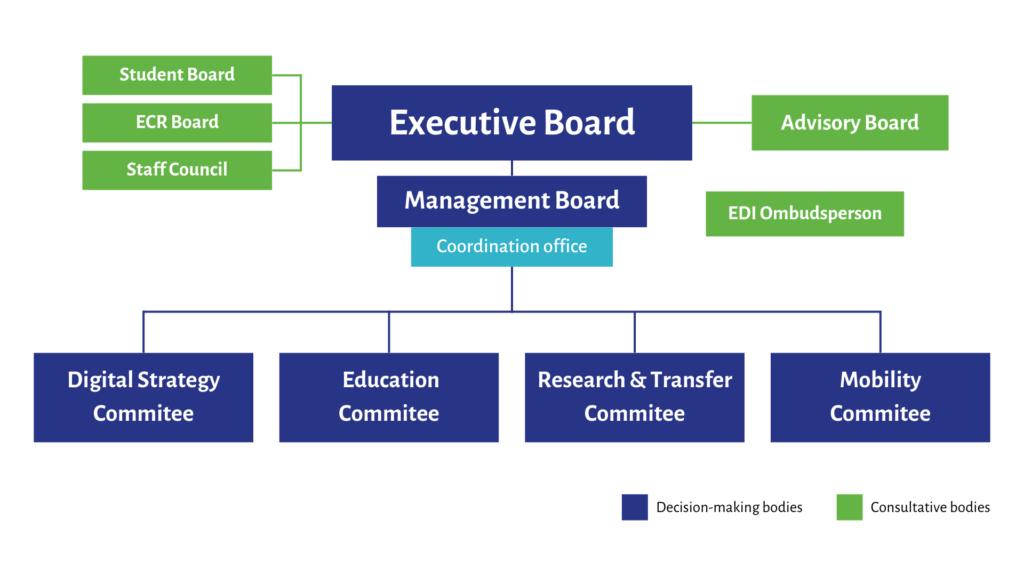
The EPICUR federal governance architecture has been designed to address three key challenges and achieve the very ambition of the European University initiative:
- The EPICUR core governance structure must thrive beyond any specifically funded projects.
- Integrate EPICUR governance into each members’ internal governance.
- Facilitate community participation and institutional engagement by developing a whole-of-institution approaches.
A community-driven ambition
EPICUR strives to foster closer collaborations among its academics, students and administrative staff to become a full-fledged federation of universities offering a European learning and academic training experience to all. To support this ambition, the key elements are:
- An efficient and inclusive governance supported by joint services, integrated training offers and shared infrastructures
- A thriving community bringing together faculties, students and staff around European values and a shared sense of belonging.
The EPICUR governance architecture relies on a set 5 key principles
- Agility, through lean decision-making processes and clear division of labour for strategic and operational decisions
- Inclusiveness, entrusting decision-making competences for all relevant stakeholders (students, academics and staff) to able to engage and provide significant input
- Efficiency, with regular evaluations of implemented measures, tasks and management to ensure that the needs of all stakeholders are met
- Transparency, to ensure that decision process is clear and information is accessible to relevant stakeholders
- Consent, with efficient coordination processes to ensure that decision-making bodies agree by consent
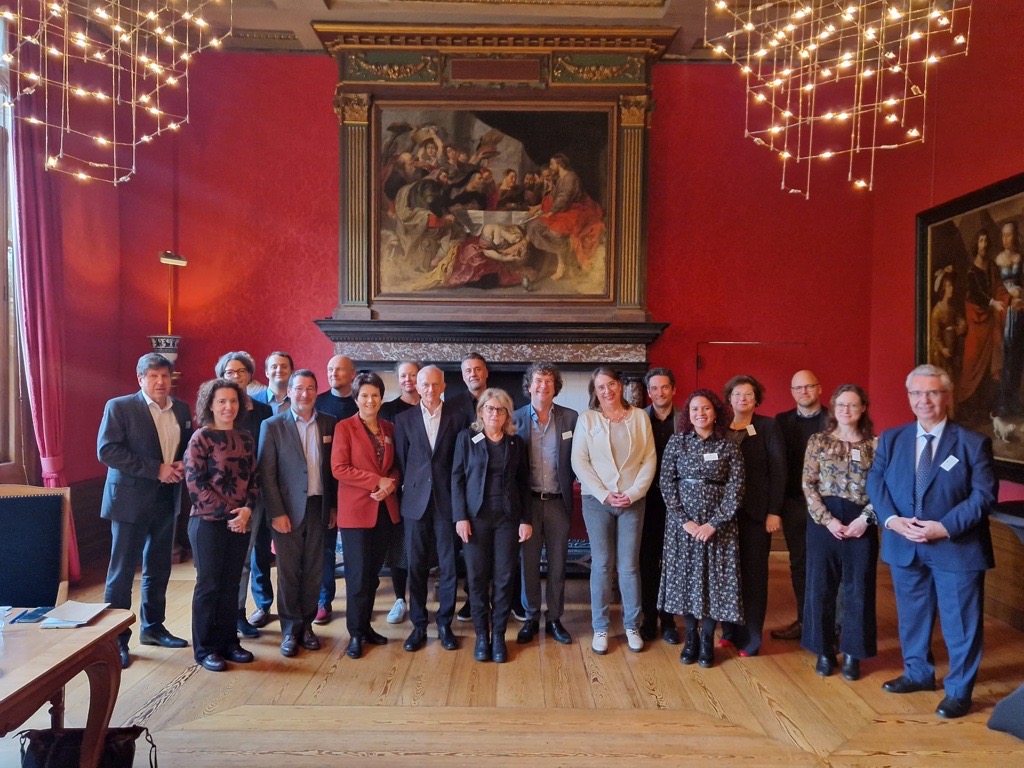
Assembly of the first Executive Board, 2021
Credits: Romana Rochinsky
Full members:
- 9 Rectors / Presidents or Vice-Rectors / Vice- Presidents
- Strategic Coordinator
Advisory members:
- 2 students representatives elected by the Student Board
- 2 ECR representatives elected by the ECR Board
- 2 staff representatives elected by the Staff Council
Observer
- Alliance Manager
Missions
- Alliance strategic directions and oversight
- High-level representation of the alliance
- Liaison with the Advisory Board
Decisions
- Validation of alliance policies
- Validation of alliance concepts
- Final deliverable validation
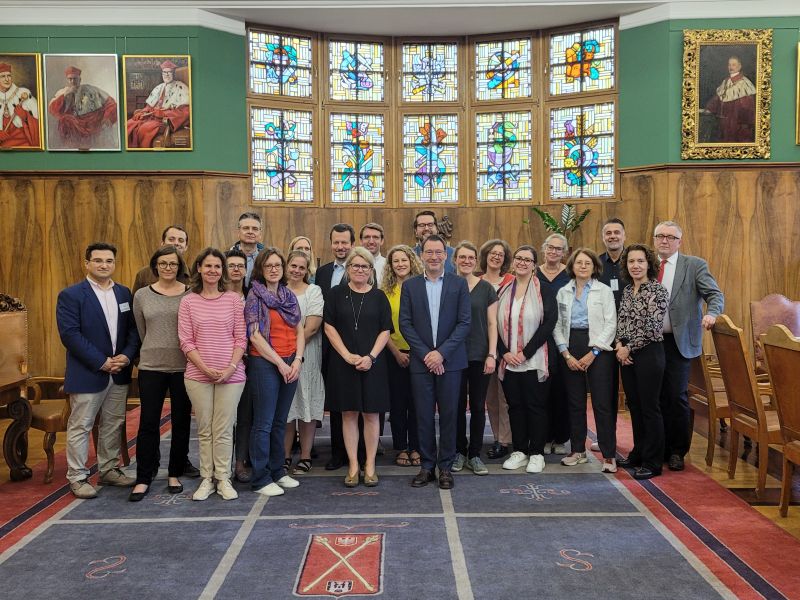
This picture’s purpose is only to illustrate and does not exactly represent the Management Board and its members
Members
- 9 Vice-rectors / vicepresidents
- EPICUR or a
senior director of
international relations - Strategic Coordinator
- Advisory members:
- 2 students
- Alliance Manager
Decisions
- Validation of preparatory documents and strategic
papers for the Executive Board and the Advisory
Board - Strategic alliance management decisions,
e.g. on external communication - Validation of milestones
- Validation of communication strategy
Missions
- Ensure the strategic full participation and
involvement of faculties, departments, and services
within EPICUR - Discussion of strategic alliance management
- Discussion of governance issues and cross-cutting policies and issues
- Monitoring of milestones
- Representation of the alliance
- Preparation of new projects and funding applications
Members
- 2 external academics
- 2 business / industry actors
- 2 civil society actors
- 2 public sector actors
- 9 Rectors / Presidents
Observers:
- Strategic Coordinator
- Alliance Manager
- Governance policy officer
member of the
Coordination Office
Mission
- Discussion of alliance
policies - Discussion of alliance
concepts - Discussion of milestones
and deliverables
Decisions
- Validation of preparatory
documents and strategic
papers for the Executive
Board and the Advisory
Board - Strategic alliance
management decisions,
e.g. on external
communication - Validation of milestones
- Validation of
communication strategy
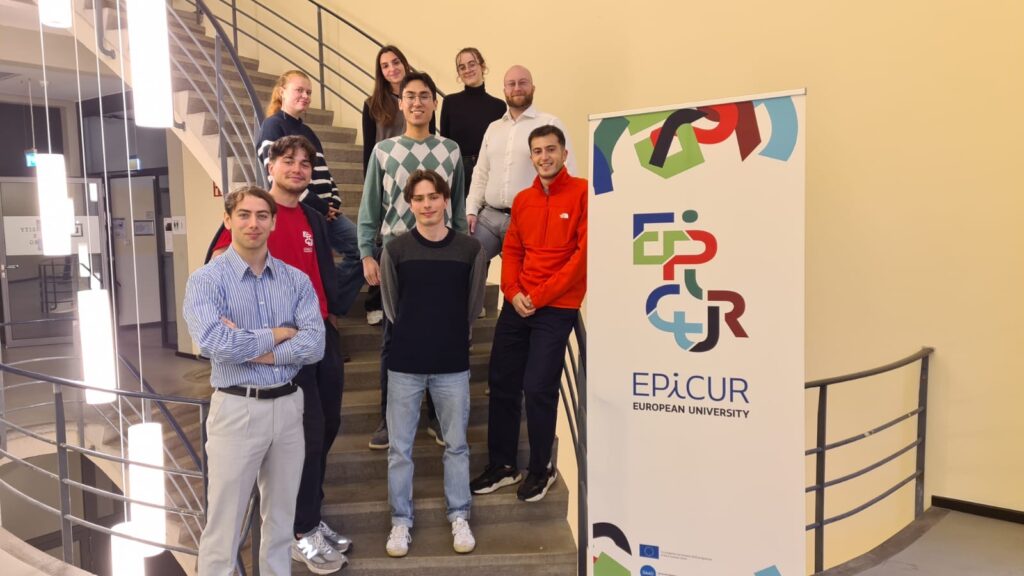
The Student Board members as of November 2024.
Missions
The EPICUR Student Board was created in March 2020. Since the pilot phase, the Student Board fulfill the following tasks:
- Take part in all working group meetings of the alliance incl. voting rights in thematical coomittees
- Liaise with students and enhance EPICUR’s student-to-student dissemination
- Provide feedback on EPICUR’s working documents and meetings
- Update its internal charter as according to their needs.
The Student Board’s Executive Board consists of a Chair, a Deputy Chair, a Secretary and a Communication Officer. It should represent at least 3 universities and at least 2 genders.
The Student Board meets 3x a year on-site to assure fruitful cooperation between its members.
Get involved!
If you are a student at one of the partner universities and want to be involved in the Student Board, or if you just want more information about the Student led activities, please feel free to contact us!
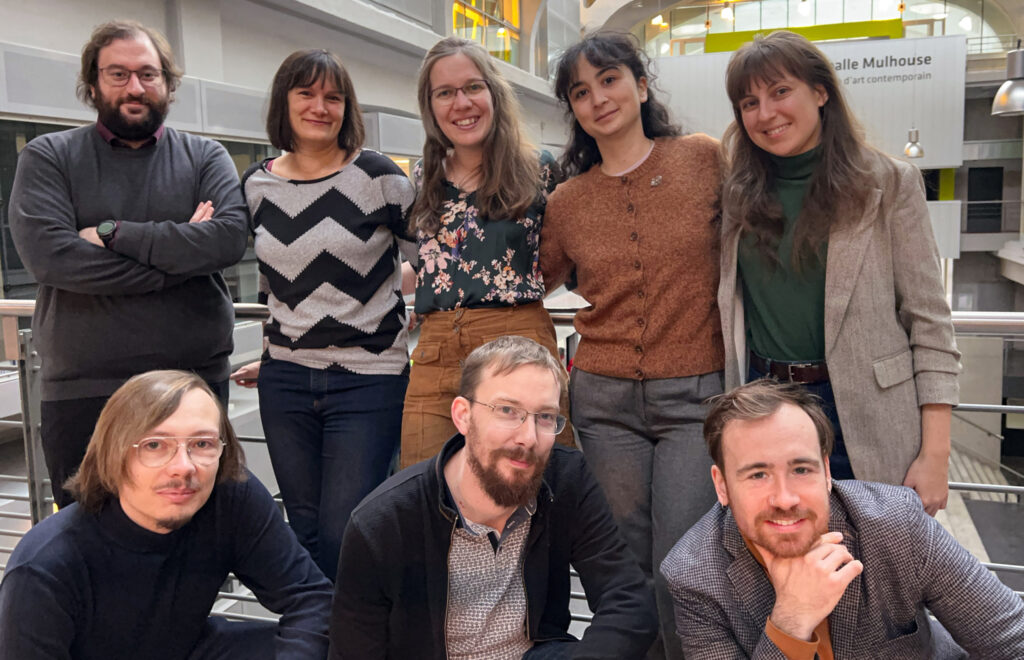
The Early-Career Research Board members as of November 2024.
Missions
- Provide constructive input and feedback on planned and implemented EPICUR activities
- Propose new activities for the Alliance
- Assist in project visibility at the local level (external communication and dissemination)
- Represent the interests of early career researchers across EPICUR
Within the EPICUR alliance, they form a quality network and strengthen links on a personal and professional level, thus achieving greater cohesion and understanding, regardless of borders.
Check out the ECR Board page for more info.
EPICUR alliance is made up of 9 partners in the higher education field in Europe
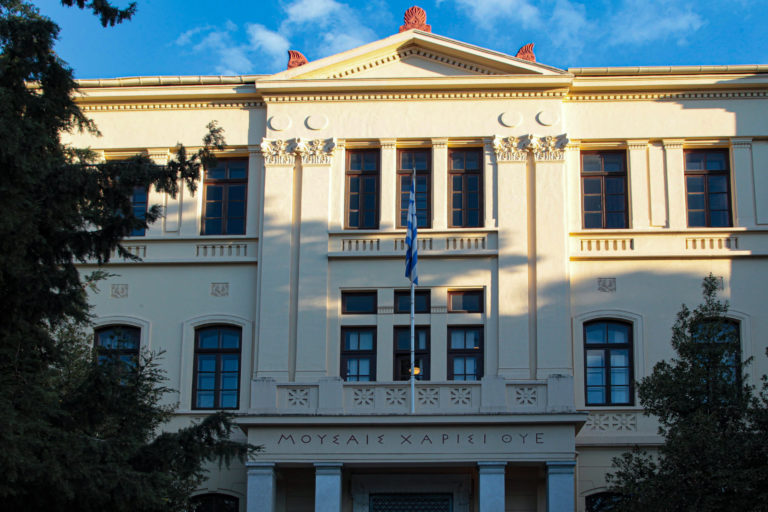
Aristotle University of Thessaloniki, Greece
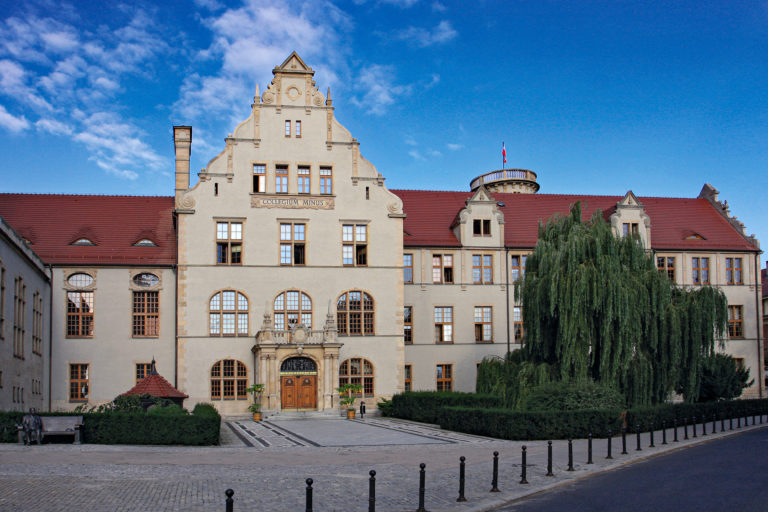
Adam Mickiewiz University, Poland

Albert-Ludwigs University of Freiburg, Germany

University of Amsterdam, Nederland
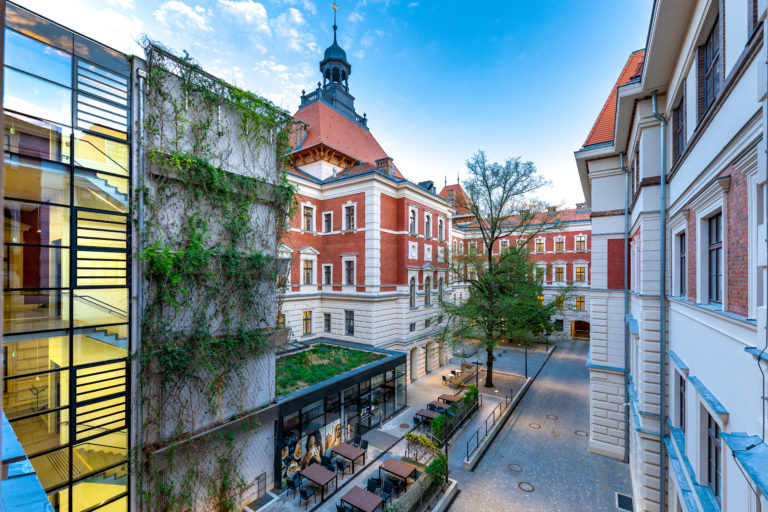
BOKU, Austria
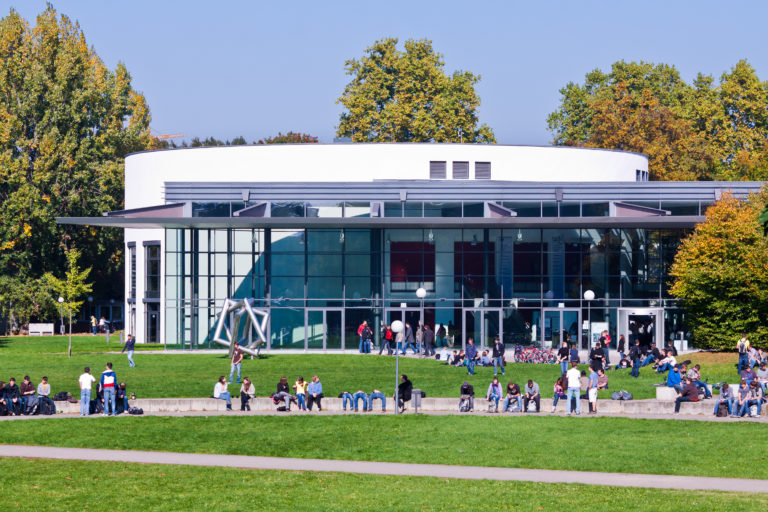
Karlsruhe Institute of Technology, Germany
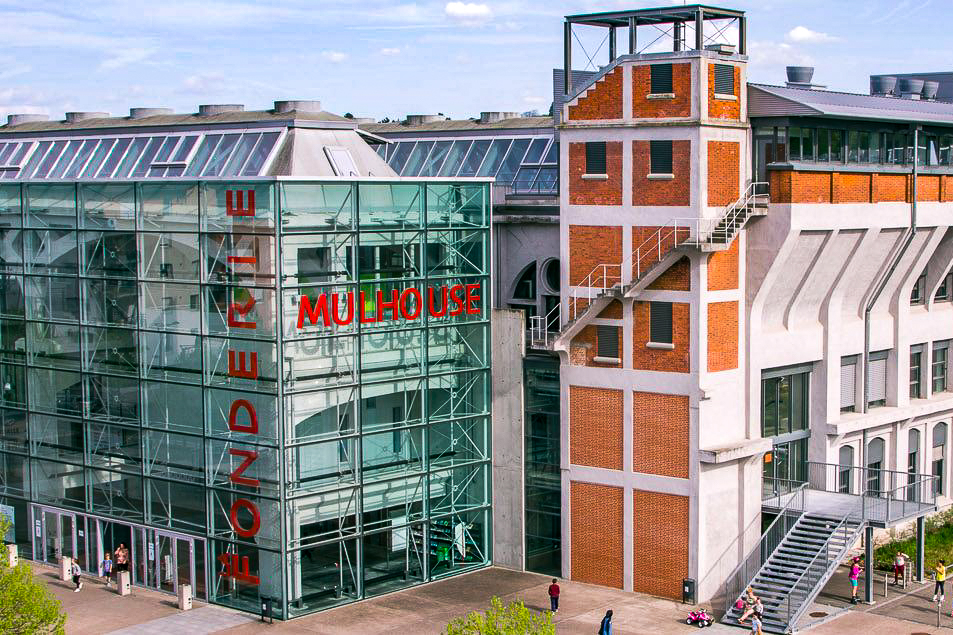
University of Haute-Alsace, France
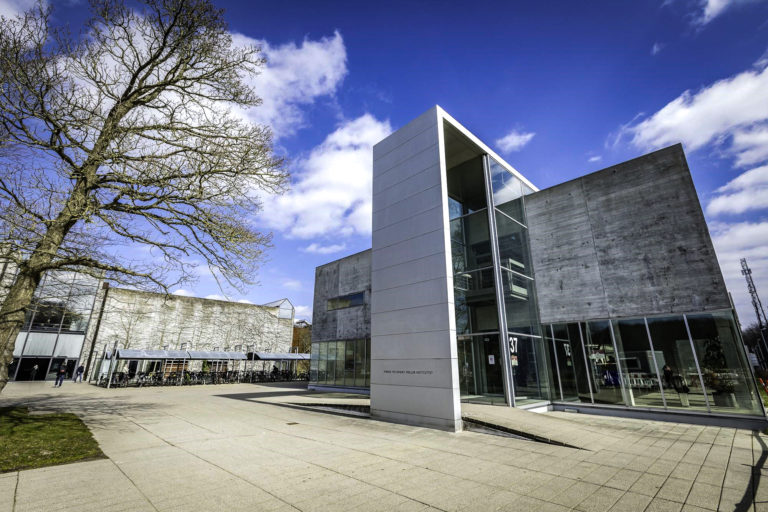
University of Southern Denmark, Denmark
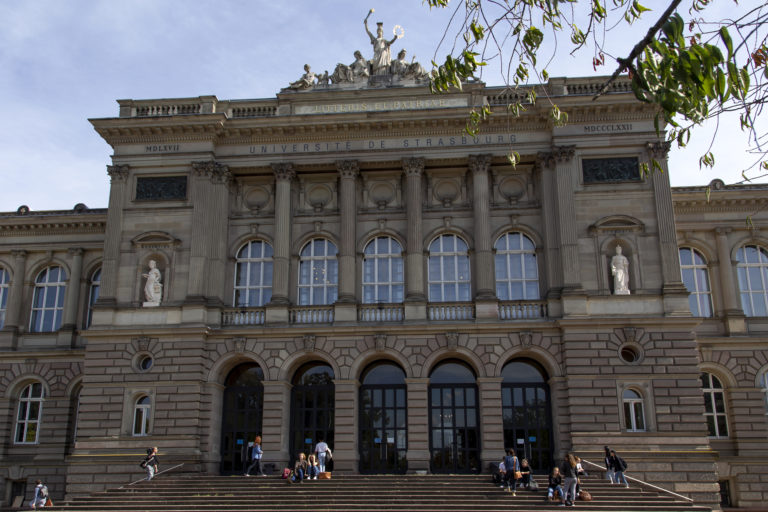
University of Strasbourg, France
Click on a university

University of Amsterdam, Netherlands
The University of Amsterdam (UvA), founded in 1632, is the Netherlands’ largest university, offering the widest range of academic programmes. At the UvA, 40,000 students, 6,000 staff members and 3,000 PhD candidates study and work in a diverse range of fields, connected by a culture of curiosity. The UvA is a modern institution with a long and rich history and strong international orientation, which is reflected in the curricula of the various degree programmes, the University’s research activities and its organisational culture.
Learn more
University of Strasbourg, France
The University of Strasbourg welcomes 51,000 students, of which 20% are international, covering 150 nationalities. Located at the heart of one of European capitals as home of key European institutions, the international and European dimension of Strasbourg is therefore second nature for UNISTRA and fully embedded in its culture and values. The university also benefits from over 1,500 agreements and conventions with more than 750 universities in 75 countries. The UNISTRA is involved in more than 60 European projects and coordinates 38 of them.
Learn more
University of Upper Alsace, France
A very innovative & comprehensive university, the University of Haute-Alsace welcomes 10,000 students enrolled in over 170 training tracks in Mulhouse and Colmar. It also hosts 15 research laboratories carrying out basic and applied research. Offering a pleasant studying and working environment for its community (Quality of Life at work being one of its priorities), UHA is the winner of several calls focusing on student’s success and excellence in research.
Learn more
University of Southern Denmark, Denmark
SDU was founded in 1966 and have more than 27.000 students enrolled in our five campuses around the southern part of Denmark. Our 4000 staff offer more than 115 different study programmes in the fields of the humanities, social sciences, natural sciences, health sciences and engineering. At SDU Interdisciplinarity is a part of our DNA, we are regionally anchored and have an international mindset.
Learn more
Adam Mickiewicz University, Poland
Adam Mickiewicz University was founded in 1919 and it is the major academic institution in Poznań and one of the top 3 Polish universities. The structure of the University consists of five specialized schools with twenty faculties, five doctoral schools and four branches in Słubice, Gniezno, Piła and Kalisz. More than 37,000 students study in 80 available fields of study and more than 200 specialties. Since 2019, it is one of ten Polish universities with the status of research university (Initiative of Excellence – Research University).
Learn more
Karlsruhe Institute of Technology, Germany
“The Research University in the Helmholtz Association” and one of the German universities of excellence, the Karlsruhe Institute of Technology creates and imparts knowledge for society and the environment. Over 9,700 employees cooperate to make significant contributions in the fields of energy, mobility, and information. The roots of the academic institution extend back to 1825. KIT prepares its 25,000 students for responsible tasks in society, industry, and science by offering research-based study programmes.
Learn more
University of Freiburg, Germany
Founded in 1457, the University of Freiburg welcomes some 24,000 students from over 100 nations in 180 degree programs at 11 faculties. Characterised by a diverse mix of disciplines and 29 programs taught exclusively in English, the University of Freiburg provides an ideal environment for innovative interdisciplinary studies. At the intersection of the German, the French and the Swiss educational landscape, transnational networking makes one of the universities cornerstones.
Learn more
BOKU University, Austria
The BOKU University was founded in 1872 and currently has around 10.374 students. Research and teaching at BOKU are characterized by a holistic approach. BOKU has 15 departments carrying out scientific work in six fields of expertise in a highly interdisciplinary manner. 360 partner universities and 18 international networks guarantee that BOKU is part of the international discourse on all topics regarding life sciences.
Learn more
Aristotle University of Thessaloniki, Greece
Aristotle University of Thessaloniki (AUTh) accomplishes the highest level of its academic excellence, a century since its establishment (1925), through the provision of premium quality programs of study, top rated innovative research and thus contributing to the improvement of the local society. Currently AUTh consists of 41 Faculties/Departments, providing a wide range of undergraduate, postgraduate, doctoral and research programs followed by over 70,000 students. AUTh is the largest and most multithematic university at national level but further one of the greatest in Europe.
Learn more
Continue to explore !
You can continue to learn more about our Alliance by reading other pages on our website. Here is a selection of pages related to this content!